Pages List
Table
Peace Memorial Park
Peace Memorial Park
Hiroshima City Center
Hiroshima City Center
Public transport & Accesibility
Public transport & Accesibility
Safety & Infrastructure
Safety & Infrastructure
Hiroshima Overview & Itineraries
Introduction
Hiroshima, the capital of Hiroshima Prefecture, is a city that resonates with a profound history of tragedy and a remarkable story of recovery. Known globally as the first city to suffer an atomic bombing in 1945, it has transformed itself into a vibrant "International City of Peace and Culture." Located along the scenic Seto Inland Sea, the city offers a unique blend of historic landmarks, world-class cuisine, and serene natural beauty.
Key Landmarks & Cultural Heritage
Atomic bomb dome | 原爆ドーム
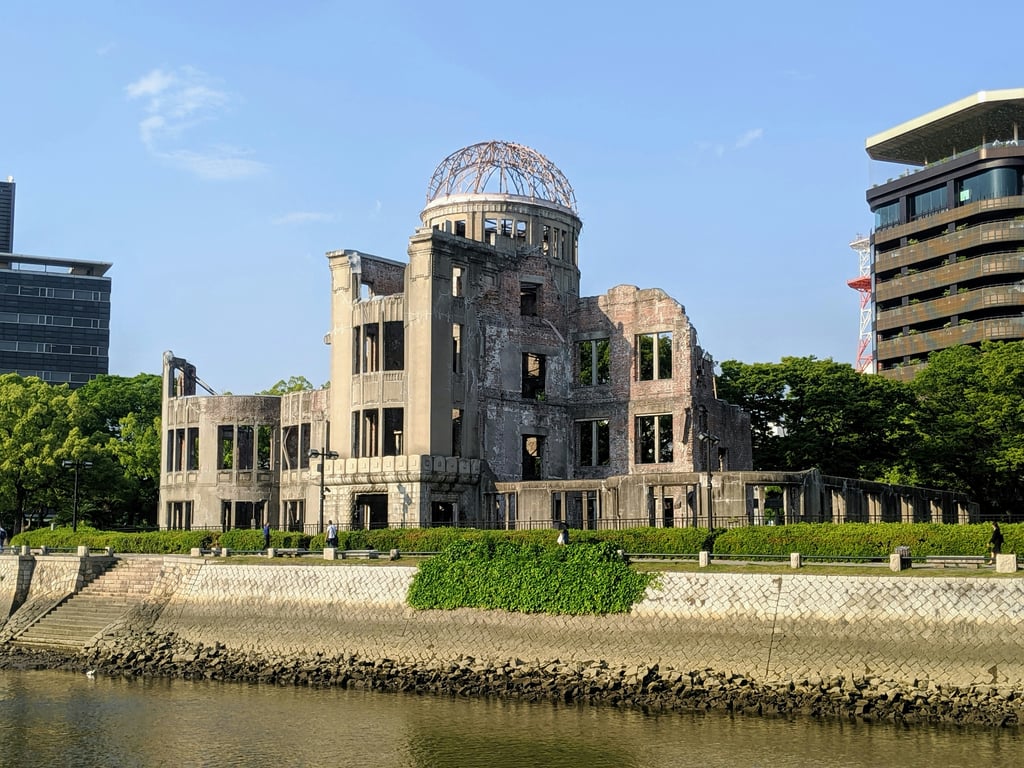
A UNESCO World Heritage site that stands as a silent witness to the bombing, serving as a powerful symbol of the hope for world peace.
Itsukushima Shinto Shrine (Miyajima) | 厳島神社(宮島)
Famous for its "floating" torii gate, this shrine exemplifies the Japanese aesthetic of harmony between architecture and nature.
Shukkeien Garden | 縮景園
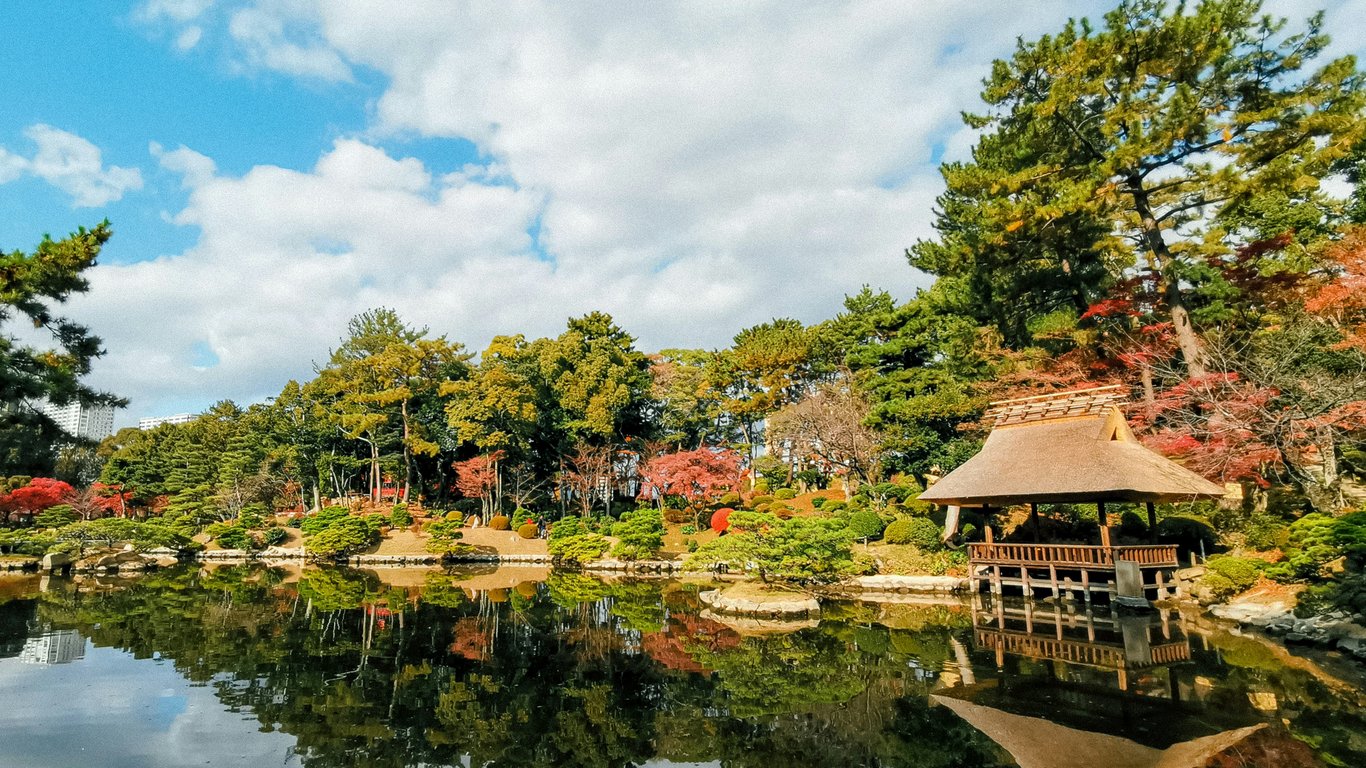
A traditional landscape garden dating back to 1620, offering a peaceful retreat that reflects the changing seasons.
Yamato Museum | 大和ミュージアム(呉市海事歴史科学館)
Located in the historic naval port of Kure, this museum features a 1/10 scale model of the battleship Yamato. It chronicles Japan’s maritime history and the world-class shipbuilding technology that spearheaded the nation’s modernization.
Senko-ji Temple | 千光寺
Perched on a steep hill, this temple offers a breathtaking panoramic view of the Seto Inland Sea.
Tomonoura | 鞆の浦
A picturesque port town with a history spanning over a thousand years, famous for its unique "circular" harbor structure from the Edo period. Its nostalgic scenery famously inspired the setting for Studio Ghibli's Ponyo.
Saijo Sakagura-dori (Sake Storehouse Road) | 西条酒蔵通り
One of Japan's three great sake-producing regions. The street is lined with iconic white-walled breweries and red brick chimneys, where visitors can taste premium sake brewed using the local soft spring water.
Key Regions and Their Characteristics
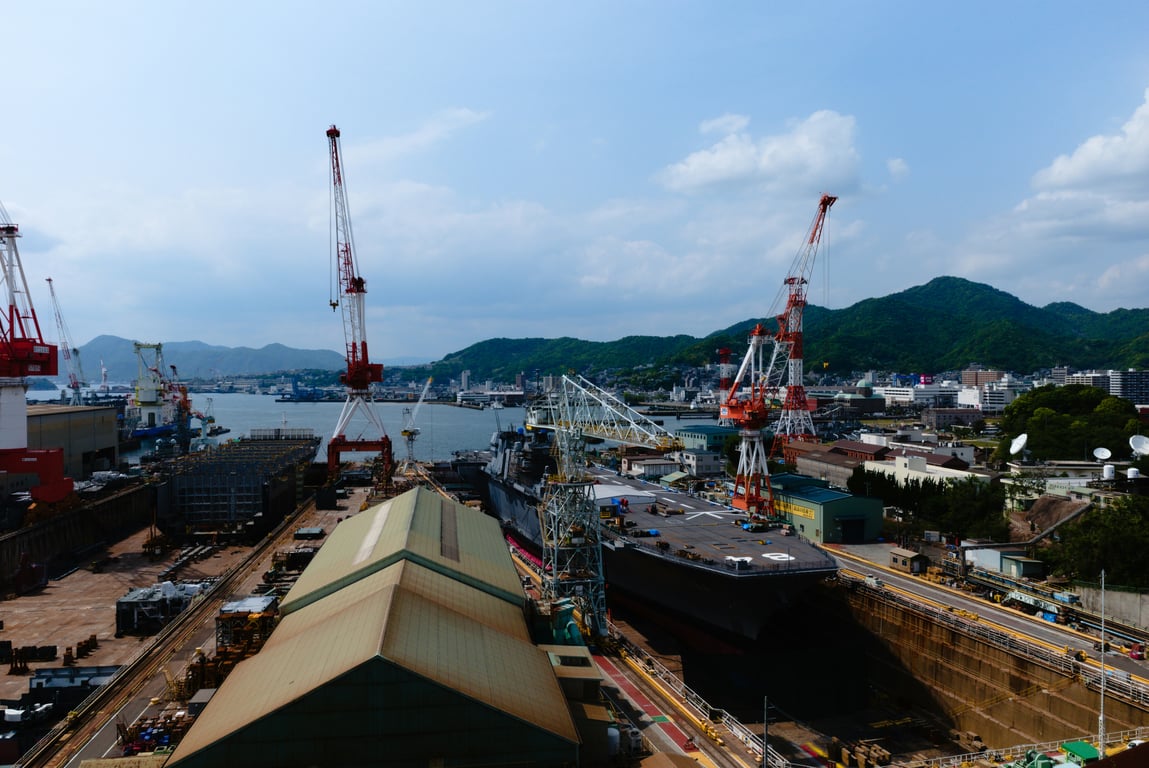
Kure | 呉
A historic naval port city that played a crucial role in Japan’s modernization and maritime engineering.
Saijo | 西条
One of Japan’s top sake-producing regions.
Onomichi & The Shimanami Kaido | 尾道 & しまなみ海道
A gateway to the famous cycling route across the Seto Inland Sea, known for its labyrinthine alleys and temple walks.
Etajima | 江田島
Known for its historic naval academy and olive groves.
Okunoshima | 大久野島
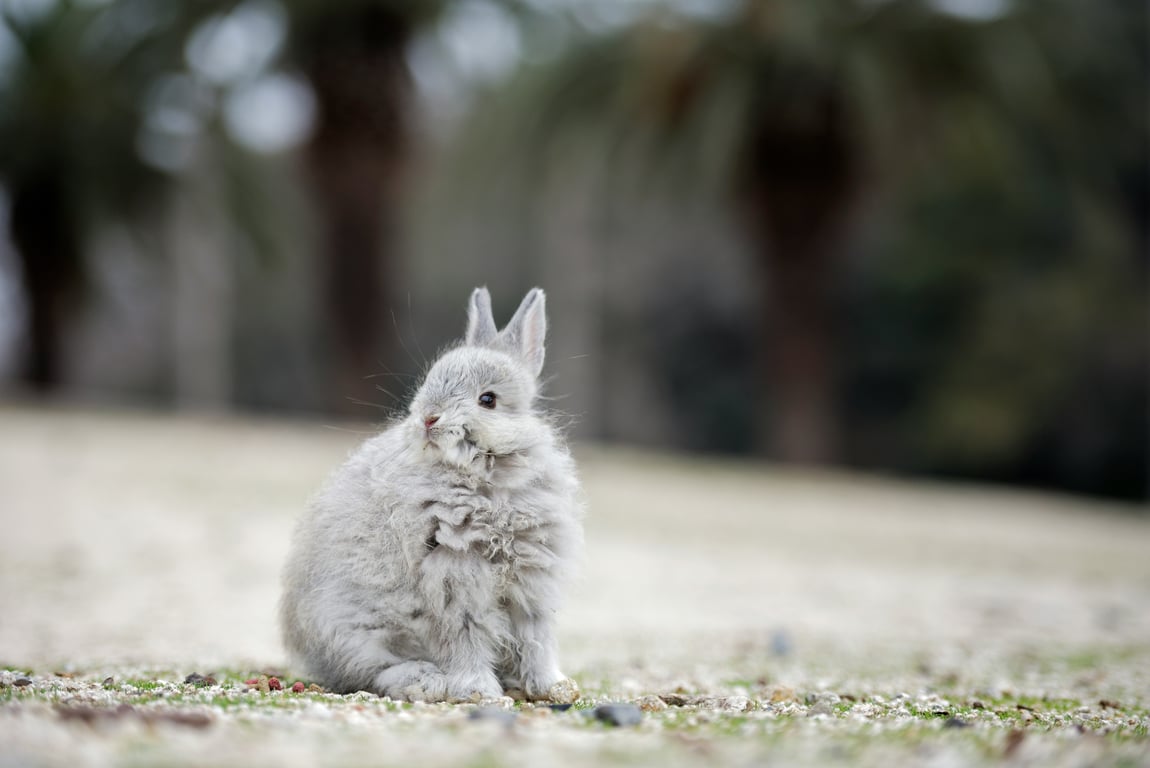
Widely known as "Rabbit Island," it is home to hundreds of wild rabbits and has a complex history as a former chemical weapons site.
Takehara | 竹原
Nicknamed "Little Kyoto of Aki," it features a beautifully preserved district from the Edo period and is the birthplace of Japanese whiskey pioneer Masataka Taketsuru.
Fukuyama | 福山
The gateway to eastern Hiroshima, featuring the nostalgic port town of Tomonoura, which inspired Studio Ghibli's films.
Akitakata | 安芸高田
Famous as the home of the Mori clan and for its vibrant "Kagura" (Shinto theatrical dance) performances.
Akiota | 安芸太田
Home to Sandankyo Gorge, one of Japan’s most beautiful scenic ravines, perfect for trekking and nature lovers.
Miyoshi | 三次
A city known for its mystical "Sea of Clouds" and high-quality wineries, as well as traditional cormorant fishing (Ukai).
Kitahiroshima | 北広島
A highland region popular for skiing in winter and traditional rice-planting rituals, offering a glimpse into Japan’s rural heritage.
Recommended Itineraries
Option A: The Essential Hiroshima (Full Day)
- Morning: Ferry ride to Miyajima to visit Itsukushima Shrine.
- Lunch: Savory Hiroshima-style Okonomiyaki (layered savory pancakes).
- Afternoon: Exploration of the Peace Memorial Park and Museum.
Option B: Deep Heritage & Local Life (2 Days)
- Day 1:
- Morning: Ferry ride to Miyajima to visit Itsukushima Shrine.
- Lunch: Savory Hiroshima-style Okonomiyaki (layered savory pancakes).
- Afternoon: Visit Shimose Art Museum.
- Day 2:
- Morning: Exploration of the Peace Memorial Park and Museum.
- Afternoon: Transfer to Onomichi and Exploration
Hiroshima Overview & ItinerariesIntroductionKey Landmarks & Cultural HeritageAtomic bomb dome | 原爆ドームItsukushima Shinto Shrine (Miyajima) | 厳島神社(宮島)Shukkeien Garden | 縮景園Yamato Museum | 大和ミュージアム(呉市海事歴史科学館)Senko-ji Temple | 千光寺Tomonoura | 鞆の浦Saijo Sakagura-dori (Sake Storehouse Road) | 西条酒蔵通りKey Regions and Their CharacteristicsKure | 呉Saijo | 西条Onomichi & The Shimanami Kaido | 尾道 & しまなみ海道Etajima | 江田島Okunoshima | 大久野島Takehara | 竹原Fukuyama | 福山Akitakata | 安芸高田Akiota | 安芸太田Miyoshi | 三次Kitahiroshima | 北広島Recommended ItinerariesOption A: The Essential Hiroshima (Full Day)Option B: Deep Heritage & Local Life (2 Days)
 Made with Bullet